Many people live two lives - one the world sees and the one they survive in private
Many high-functioning adults live between two realities: the version of themselves the world depends upon, and the private emotional strain they carry alone. The frightening part is how normal that can look from the outside.
Sukhi K Chatha
5/9/20263 min read
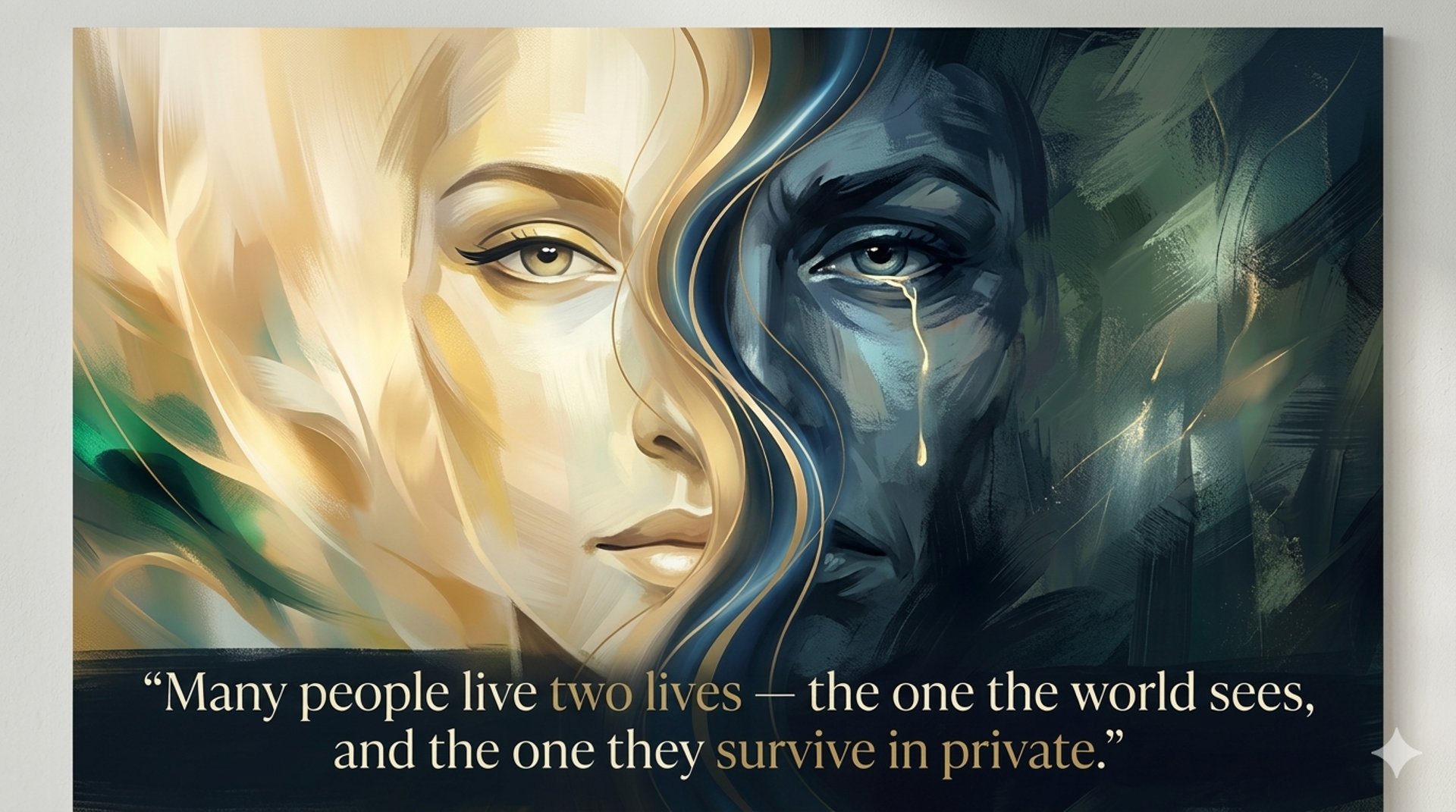
Some people become so accustomed to carrying pressure silently that exhaustion begins to feel normal.
Many High-Functioning Adults Live Between Two Realities
Many high-functioning adults live between two realities: the version of themselves the world depends upon, and the private emotional strain they carry alone.
Outwardly, they appear capable. They continue working, supporting others, meeting expectations, responding to messages, keeping routines going, and managing responsibilities people may not even realise they are carrying. They are often described as reliable, calm, hardworking, thoughtful, and emotionally strong.
They are dependable under pressure, calm in difficult situations, and emotionally composed when others fall apart. Over time, many become exceptionally skilled at hiding what they are carrying. Yet privately, many of these same individuals are emotionally exhausted and overwhelmed. Because they are still “managing,” their distress is frequently minimised, by colleagues, family members, friends, and often by themselves.
Over time, functioning becomes proof that they are “fine,” even when internally they feel depleted. Many become the person others depend upon emotionally, but constantly occupying that role can create a difficult psychological pattern: they stop recognising their own emotional needs entirely. Some people become so accustomed to carrying pressure silently that exhaustion begins to feel normal.
Externally, life appears manageable. Internally, they may feel:
emotionally drained
mentally overloaded
disconnected from themselves
persistently anxious
unable to properly rest
emotionally flat
overwhelmed by constant thinking
exhausted by the pressure of always coping
They often tell themselves:
“Other people have it worse.”
“I should be able to cope.”
“I just need to push through.”
“I don’t have a reason to feel like this.”
Meanwhile, their nervous system remains in a prolonged state of emotional strain. This can lead to:
chronic mental fatigue
emotional disconnection
irritability
difficulty resting
sleep disturbance
constant internal tension
a growing sense of emptiness despite outward success
One of the reasons high-functioning anxiety is difficult to identify is because achievement can mask distress. Many people experiencing significant anxiety continue succeeding professionally whilst privately struggling with self-pressure, perfectionism, emotional hypervigilance, fear of failure, and relentless overthinking. To others, they appear composed and successful. Internally, they may feel exhausted from constantly managing themselves.
Many high-functioning adults also become highly skilled at emotional masking. They know how to:
appear calm while internally anxious
reassure others while privately struggling themselves
smile while mentally drained
continue functioning professionally despite emotional depletion
Over time, this creates a painful form of isolation. Not because they are physically alone, but because very few people truly see the emotional reality they live with privately. Eventually, some people reach a point where they no longer feel connected to themselves in the way they once did. Not because they are weak, but because prolonged emotional pressure changes people psychologically. When someone spends years suppressing emotional needs, prioritising survival, or carrying pressure silently, the nervous system adapts around coping rather than recovery.
This is why many high-functioning adults describe feeling:
emotionally unseen
misunderstood
guilty for struggling
emotionally tired without fully understanding why
The external world responds to the version of them that functions, not the exhausted internal reality underneath it. This is often where hidden burnout develops. Hidden burnout does not always look dramatic. Sometimes it looks like:
waking up tired regardless of sleep
feeling emotionally detached from life
struggling to switch off mentally
becoming increasingly irritable or withdrawn
functioning without feeling fully present
feeling guilty for resting
constantly feeling “on edge”
losing the ability to feel genuine calm
Many people minimise these experiences because they are still functioning. They tell themselves:
“I’m still working.”
“I’m still managing.”
“Other people have it worse.”
“I should be grateful.”
But functioning is not the same as coping well emotionally. A person can appear successful externally whilst privately struggling psychologically. In fact, many high-functioning adults become even more productive during periods of emotional distress because productivity becomes part of how they maintain control, identity, or emotional stability.
Over time, however, constantly operating in survival mode can create significant emotional exhaustion. This is particularly common amongst people who have spent much of their lives being:
dependable for others
emotionally responsible
self-reliant
high-achieving
emotionally contained
uncomfortable expressing vulnerability
Many were never taught how to properly recognise their own emotional needs because they became accustomed to focusing on everyone else’s.
The Difference Between Coping and Living
A significant number of emotionally exhausted adults are not truly living. They are surviving through adaptation. They have learned how to:
suppress overwhelm
minimise emotional needs
remain productive under strain
disconnect from vulnerability
prioritise functionality over wellbeing
Eventually, life can begin to feel emotionally mechanical, because prolonged emotional pressure changes how people relate to themselves. Many high-functioning adults only recognise burnout once their emotional system can no longer maintain the pace they have normalised for years. By that stage, exhaustion has often become deeply internalised.
You Do Not Need to Reach Crisis Point Before Seeking Support
One of the most harmful beliefs high-functioning adults carry is:
“If I’m still functioning, it must not be serious.”
But emotional suffering does not become valid only once it becomes visible. You do not need to completely fall apart before recognising that something internally feels unsustainable.